The performance is fixed and the face is yours. Add one photo and the panel puts you in the Madrid street freestyle — the red doorway, the friend holding the speaker, the crowd, the camera and the shoulder bounce all stay, and only the man doing the rapping changes.
On 2 October 2026 the Colombian creator Kevin Wai stopped the Dominican dembow artist Bulin 47 outside a restaurant on Gran Vía in Madrid, with a portable speaker playing a dembow beat, and asked him for a verse. Bulin answered on the spot — a rhyme, a grin, and a shoulder movement that turned out to be the part everybody kept. The clip passed fifty million views inside a week, and the two of them released the moment as a single, “Dame Hombro”, on 7 October.
The AI versions arrived days later and all of them do one thing: keep the clip exactly as it is and put a different face on the man in the pink shirt. The doorway, the red light, the friend holding the phone up in the foreground, the crowd behind him, the handheld camera and the timing of every line survive untouched; the lead does not. It is a recast, not a reconstruction — which is also why the edits read as the same video with somebody else in it rather than as a shot in that style.
That is what this page takes one photo for. The clip below is the performance, cut into two lengths; the photo is the person. What the run changes is the identity and nothing else, and the outfit is deliberately left alone — a recast wearing somebody else's clothes stops looking like the trend it came from.
Two things are worth being straight about before you spend credits. The clip carries its sound, the result does not inherit it. The cuts keep the audio the take was posted with, because the performance is cut to that rhythm and a silent reference loses the timing — but what a run hands back is the model's own audio, not a copy of that track, so the record you post with is still your choice. And the result is a recast, not a forgery: the face is yours, the performance is Bulin's, and the page has no connection to him, to Kevin Wai or to the record.
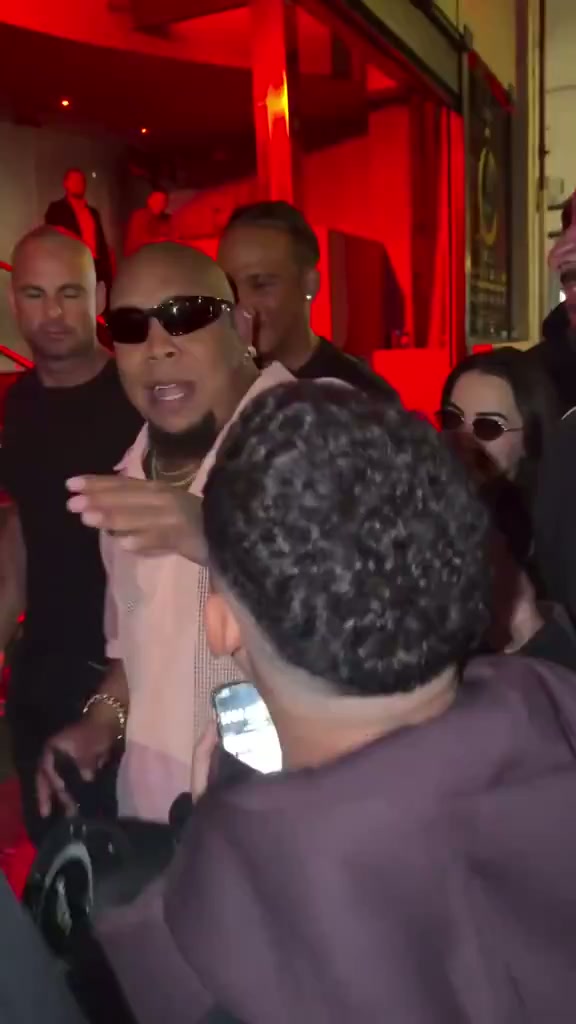
One take, filmed on a phone, cut into 2 lengths. The reference clip's own length is the length of the run, so there is a short one for a post and a long one for the whole exchange.
The clip keeps the scene. Your photo decides who is in it. Everything in the left column is read from the reference video, and the right column is read from your one image.
One identity, stated once, applied for the whole take. A run that is handed a face in two places averages them and gives you somebody who is neither.
Nothing here sends you to a workbench to finish the job.
A clear, well-lit portrait, previewed on this page. Nothing is uploaded until you are signed in — the panel keeps it locally until then.
The clip ships in two cuts of the same take, 8 and 15 seconds, and the length you pick is the length of the run — the model reads the motion from the whole clip.
Keep or rewrite the instruction, choose the model and the resolution, then generate. The clip plays below the panel; reloading clears it, and the run stays in your video history.
That is the whole encounter, unedited and with the sound it was posted with: 46 seconds of a rapper who was walking into dinner, a creator with a speaker, and a pavement that turned into a stage. It is the same file the two cuts above are cut from, which is why what you see here is exactly what the run is asked to keep.
What people did with it next is the format. The clip stays, one face changes — footballers and pop stars first because that is what a meme does, then pets, anime characters, mascots, and a great many people who simply wanted to be the one holding the verse. The edits read as the same video with somebody else in it, and that is the point: nothing about the doorway, the light, the crowd or the timing is reconstructed. Only the identity moves.
Why the celebrity versions are not on this page. They are the ones that made the trend enormous, and every one of them puts a real person into a performance they never gave. That is a likeness problem whether the subject is a forward for Real Madrid or a head of government, and republishing one to sell a video tool is not a trade this page makes. The mechanic is what matters and the mechanic is the same for a face that agreed to be there.
Counted over the model this page runs, not over the whole catalog.
One photo, one reference clip. Generate stays closed until the photo is in, and the clip is always in play — it is where the camera, the crowd and the timing come from.
The clip ships in 2 cuts of one take, and a run uses the cut's own length — so the length is chosen with the cut rather than on a slider. The models here would allow up to 30 seconds; a single generation is the finished shot, because the panel does not stitch or edit.
Between them the models here cover those tiers, and each one declares its own — the panel offers exactly those rather than one shared list. The cost is shown before you press generate.
The clip carries the street audio the take was cut to; the record you post with is still yours to choose.
The trend is young enough that nobody agrees on what to call it, and the names are not synonyms — two of them describe different products. Here is the short version of each, so you can tell what you are looking at before you press anything.
One photo, one shot, and the clip plays on this page a couple of minutes later. Every run is kept in your video history, where you can download it, add the sound and post it.